

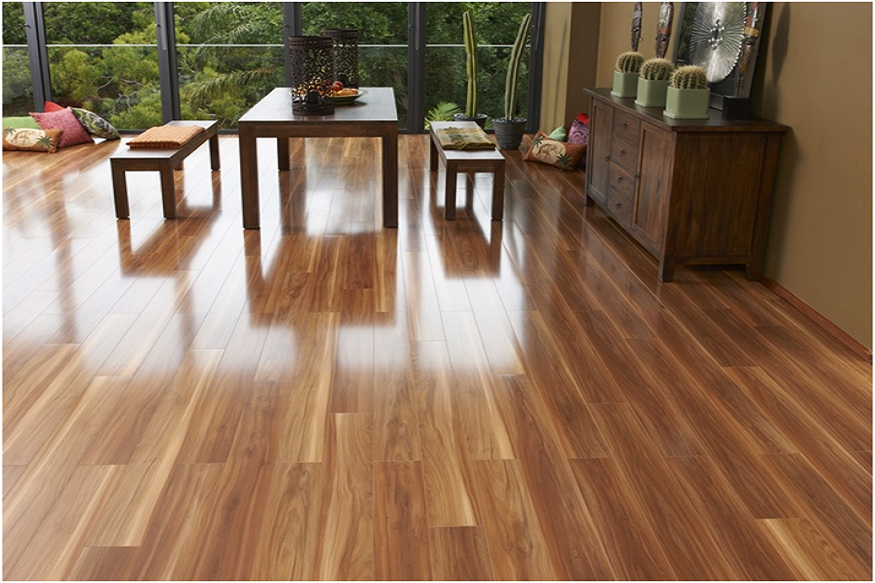
You measure the room, choose a floor you like, and expect a simple price. Then you discover that sheet vinyl is priced by the square foot rather than by the complete roll. Suddenly, estimating the budget feels less straightforward. The cost of a vinyl flooring roll depends on the product price, room size, roll width, waste, and installation needs. Sam’s Flooring currently lists selected cut-to-length sheet vinyl at $0.44 per square foot, reduced from $1.29. However, sale prices and availability can change.
This guide explains how to calculate the material cost, account for extra expenses, and avoid ordering more flooring than your project requires.
How Much Does a Vinyl Flooring Roll Cost per Room?
There is no fixed price for every roll because buyers may order different lengths. Your total begins with the price per square foot. You then multiply that price by the amount of material required to cover the room.
At the current Sam’s Flooring example price of $0.44 per square foot, material for a 144-square-foot room would begin at $63.36. A 200-square-foot project would start at $88, while 400 square feet would cost $176. These figures cover flooring material only. They do not include waste, adhesive, delivery, subfloor repairs, or labor.
Read More: Structural BIM Services for Engineers, Architects, and Contractors
The room’s dimensions can also change the amount you must purchase. A room may contain 140 square feet but require more material because the flooring is sold in a fixed width. That is why measuring the floor area is only the first step.
Why “Per Square Foot” Matters More Than “Per Roll”
A complete roll can contain hundreds or even thousands of square feet. Buying the whole roll may make sense for a large renovation, rental portfolio, or commercial project. A single-room buyer, however, may only need a cut section.
Roll Width Changes the Calculation
Sheet vinyl comes in set widths. The Sam’s Flooring collection currently includes 12-foot, 13-foot-6-inch, and 16-foot-wide options. You choose the required length based on the other dimension of your room.
Imagine that your room measures 10 by 14 feet. Its floor area is 140 square feet. If you use a 12-foot-wide product and order 14 linear feet, you will receive 168 square feet of material. The unused width is part of the order, even though it will be trimmed during installation.
Cut-to-Length vs. Full-Roll Pricing
Cut-to-length flooring allows you to buy a section suited to your space. It can prevent a small project from turning into an unnecessary full-roll purchase. Full rolls may still offer value when several rooms need the same floor.
The cost of roll vinyl flooring therefore depends on both room dimensions and the available width. Comparing only the floor area may leave your budget short.
The Factors That Can Raise or Lower Your Flooring Cost
A low price per square foot is attractive, but price alone does not tell the whole story. Two products may look similar while having different construction, wear resistance, or recommended uses. You can view available flooring options to compare current widths, specifications, patterns, and prices.
Thickness and Wear Layer
Thickness affects how the floor feels underfoot, while the wear layer helps protect its printed surface. A room with frequent foot traffic may need a product built for heavier use. Paying slightly more for the right construction may reduce the chance of early replacement.
A lightly used guest room has different needs from a busy kitchen or rental unit. Match the product to the room instead of automatically choosing the lowest price.
Width, Pattern, and Finish
Wider sheets can cover large rooms with fewer seams. They may also create more offcuts if the width does not suit the layout. A 16-foot sheet is useful in a wide room, but it could create avoidable waste in a narrow space.
Wood-look, stone-look, and detailed patterns may also have different prices. Pattern direction matters because turning the sheet may change how much material you need.
Quantity and Current Promotions
Clearance offers can lower the vinyl sheet flooring cost significantly. At the time of writing, Sam’s Flooring shows selected products reduced from $1.29 to $0.44 per square foot. That is a product-specific sale example, not a permanent rate for every sheet vinyl floor.
Confirm the current price before preparing a final estimate. It is also sensible to check whether enough matching material is available for the complete project.
Calculate How Much Vinyl You Need Before Ordering
Accurate measuring is the easiest way to control spending. Measure the room at its longest and widest points. Include closets, alcoves, and recessed areas that will receive flooring.
Start With the Basic Floor Area
For a simple rectangular room, multiply the length by the width. A 12-by-15-foot room contains 180 square feet. Next, compare those measurements with the width of the selected roll.
If the sheet is 12 feet wide, you may order 15 linear feet. That creates exactly 180 square feet before any additional allowance. An irregular layout will require a more careful plan.
Account for Doorways and Awkward Corners
Few rooms are perfect rectangles. Doorways, cabinets, angled walls, and connected spaces can affect the cut. Measuring each small section separately makes missed areas less likely.
Draw a basic room sketch and label every measurement. It does not need to look professional. Its purpose is to show how the sheet can be positioned with the least waste and fewest seams.
Add a Sensible Waste Allowance
A small allowance protects the project from minor measuring and cutting mistakes. Complicated rooms may require more extra material than plain rectangular spaces. Pattern matching may increase the allowance as well.
Avoid adding extra flooring without a reason. Excessive overordering raises the sheet vinyl price for the project and may leave you with a large piece you cannot use.
Costs Buyers Often Forget to Include
The advertised price usually represents the flooring itself. The final project cost may include supplies, preparation, removal, delivery, and labor. These smaller expenses can add up quickly.
Adhesive and Installation Supplies
Depending on the product and installation method, you may need adhesive, seam treatment, a floor roller, cutting tools, transition strips, or new base trim. Check the manufacturer’s instructions before buying supplies.
Using the wrong adhesive can cause movement, bubbles, or weak edges. Saving a few dollars on unsuitable materials can create a much more expensive repair.
Subfloor Preparation
Sheet vinyl needs a smooth and stable surface. Cracks, raised fasteners, old adhesive, and uneven sections may show through the finished floor. Cleaning, patching, or leveling the subfloor adds time and cost, but it supports a cleaner result.
Read More: Why Builders Rely on Professional Site Cleanup After Construction
Moisture problems should be addressed before installation. Covering a damp or damaged surface does not solve the original issue.
Professional Labor and Delivery
Professional installation may include measuring, cutting, adhesive application, seam work, and finishing around doors or cabinets. Removing the old floor and moving furniture may be charged separately.
Large sheets are also heavy and difficult to handle. Ask whether delivery and unloading are included before comparing quotes. Later in your research, you can shop affordable vinyl flooring rolls and compare material prices with the complete installed cost.
How to Spend Less Without Choosing the Wrong Floor
Begin with the room rather than the sale label. A low-cost option can work well in a rental, laundry room, or quick renovation if its construction suits the space. A busy household may place greater value on wear resistance and easy maintenance.
Roll width deserves attention because it affects seams and waste. Compare the room dimensions with every available width. The cheapest product per square foot may not produce the lowest total if much of it must be trimmed away.
Ask for help when the layout is difficult. Sam’s Flooring can help buyers compare available sizes and calculate a practical quantity. A clear measurement plan also makes it easier to compare prices without overlooking essential supplies.
Final Thoughts: Build Your Budget Around the Whole Project
The material calculation is simple: multiply the purchased square footage by the current price. The real budget should also include extra material, adhesive, preparation, delivery, and installation.
Measure carefully and choose a roll width that fits the room. That approach can reduce seams, control waste, and give you a more dependable estimate before ordering.
FAQs
How much vinyl flooring is needed for a 12-by-12-foot room?
A 12-by-12-foot room has 144 square feet. If the sheet is 12 feet wide, you would generally need 12 linear feet. Add extra material only when the layout, cutting plan, or pattern requires it.
Is buying a full roll cheaper than ordering cut-to-length vinyl?
A full roll may offer better value for a large or multi-room project. Cut-to-length flooring is often more practical for one room because you avoid paying for hundreds of unused square feet.
Does wider vinyl sheet flooring cost more?
Not always. Price depends on the specific product, construction, and promotion. A wider sheet may reduce seams, but it can also produce more waste when the room is narrow.
Is installation included in the advertised price per square foot?
Usually, the displayed price covers material only. Adhesive, floor preparation, delivery, old-floor removal, and professional labor may cost extra. Confirm exactly what is included before purchasing.